
Infertility is the condition in which a woman is not able to conceive, infertility can affect anyone and has many different causes. Infertility can be primary, in which you have never been pregnant and cannot conceive even after one year of trying, or six months for those aged 35 and above, with regular unprotected physical intimacy. The second one is secondary infertility, when you cannot get pregnant after having at least one successful pregnancy.
The last one is unexplained infertility, where fertility tests are unable to find the exact reason that women or couples are unable to get pregnant. To treat infertility, the best IVF centre in Punjab can help you become parents by providing personalized treatments and guidance. Whether you fail to get pregnant due to age, hormonal changes or low sperm count, your dream can come true to become parents.
What Are The Signs Of Infertility
The main symptom of infertility is the inability to get pregnant after trying for one year or six months of regular unprotected physical intimacy. Different couples may have different reasons for infertility, but most couples may go through physical symptoms including:
- Pelvic or abdominal pain
- Irregular periods, irregular vaginal bleeding or no periods
- Penile disorders or issues with ejaculation
Causes Of Infertility
Infertility can affect one partner or sometimes both are affected with infertility, and reasons for infertility may include:
- Being in your late 30s or 40s, or for men, age can affect those closer to their 50s
- Excessive alcohol consumption
- Exposure to environmental toxins such as lead, chemicals, and pesticides
- Over exercising
- Radiation therapy or chemotherapy
- Sexually transmitted infection
- Substance abuse
- Having obesity or being underweight
- Chronic diseases and conditions
Infertility causes for women.
The most common infertility cause in women is due to an ovulation disorder; ovulation is the process in which your ovary releases the egg to sperm for fertilization.
- Endometriosis
- Abnormalities in the structure of the vagina, uterus or fallopian tubes
- Autoimmune conditions such as celiac disease
- Pelvic inflammatory disease
- Polyendocrine metabolic ovarian syndrome
- Primary ovarian insufficiency or poor egg quality
- Sickle cell anemia
- Thyroid disease
- Genetic or chromosomal disorder
What Are Common Infertility Treatments
Some couples need more help to conceive using assisted reproductive technology (ART), where a health care provider handles the eggs or sperm.
IVF (In vitro fertilization): In this procedure, health care providers retrieve eggs from ovaries and fertilize the eggs with sperm in the laboratory. Then the doctor places one to three fertilized eggs, called embryos, into the uterus for further procedures.
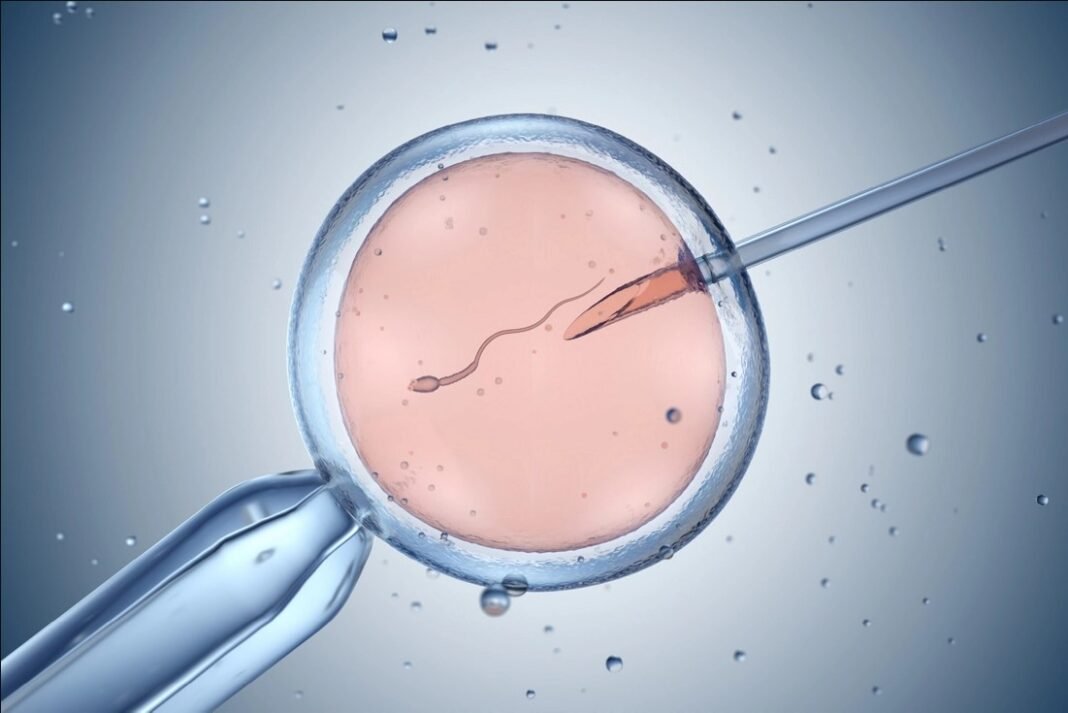
ICSI (Intracytoplasmic sperm Injection) is a procedure that may be performed during the IVF process. In this procedure, an embryologist injects a single sperm directly into each egg, and then your doctor transfers one to three embryos into the uterus.
IUI (Intrauterine Insemination): this is a type of artificial insemination in which concentrated sperm is placed directly into the uterus. To perform this procedure, doctors use a long, thin tube.
Bottom Line
Infertility is a difficult condition when a couple is trying to become parents; sometimes it can be challenging and soul-crushing if someone wants to start a family. Sometimes infertility can affect relationships and emotional health; there may be known or unknown reasons for infertility. Treatments for infertility may be possible by following a few healthcare tips and taking medications.
If a couple is not getting pregnant even after trying medications, then an IVF procedure is there to help. Before starting the procedure, make sure to explore IVF costs in India, as well as experienced doctors who can provide the best possible IVF treatments, and this procedure may help you make your dream of becoming parents come true.