
Introduction
Design today is no longer limited to how something looks. It is about how a space feels, how a product works on different devices, and how thoughtfully problems are solved. Interior design trends, responsive design, and design thinking may seem like separate topics, but they are deeply connected by one core idea: creating meaningful experiences for people. Whether it is a living room, a website, or a service, modern design focuses on comfort, usability, and purpose. This article explores these three important areas in detail, showing how they influence modern lifestyles and creative industries.
Interior Design Trends: Shaping Modern Living Spaces
Interior design trends reflect how people live, work, and relax. As lifestyles change, homes and commercial spaces adapt to meet new needs. Current interior design trends emphasize balance, practicality, and emotional well-being.
Sustainable and Eco-Friendly Design
Sustainability has become a major influence in interior design. People are more conscious of how materials affect the environment. Designers now prefer natural, recycled, and renewable materials such as bamboo, reclaimed wood, cork, and organic fabrics. Low-VOC paints and energy-efficient lighting are also widely used to improve indoor air quality.
Eco-friendly design does not mean sacrificing style. Natural textures, earthy colors, and handmade elements bring warmth and authenticity to spaces. Sustainability also encourages long-lasting design, where quality furniture and timeless layouts replace disposable décor.
Minimalism with Warmth
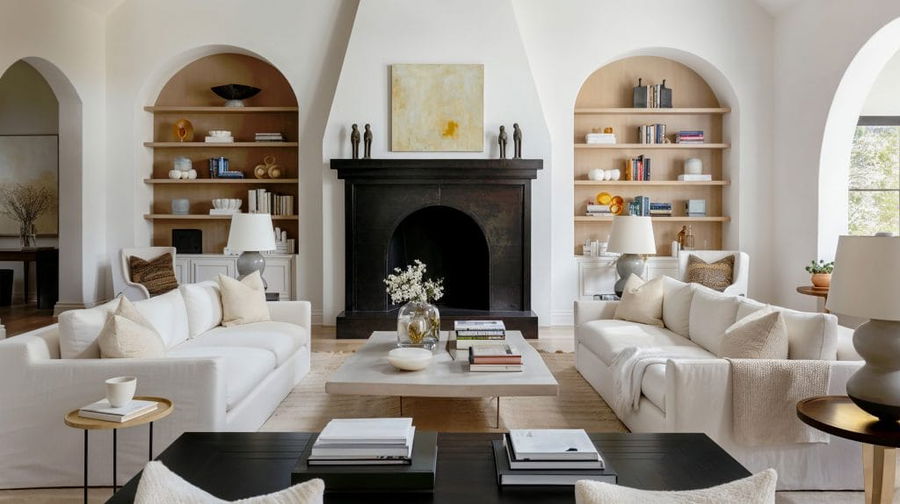
Minimalism continues to be popular, but it has evolved. Instead of cold and empty spaces, modern minimalism focuses on comfort and warmth. Clean lines, uncluttered layouts, and functional furniture remain important, but they are paired with soft textiles, warm lighting, and personal touches.
Neutral color palettes such as beige, soft grey, and off-white are often combined with natural wood or stone. The goal is to create calm, stress-free environments that feel inviting rather than sterile.
Multifunctional Spaces
With more people working and studying from home, interiors now serve multiple purposes. Living rooms double as workspaces, bedrooms include study corners, and dining areas are used for meetings or creative activities. Furniture that adapts to different needs, such as foldable desks, sofa beds, and modular storage, is in high demand.
Designers focus on smart layouts that maximize space without overcrowding. This trend is especially important in urban homes where space is limited.
Biophilic Design
Biophilic design connects interiors with nature. It uses natural light, indoor plants, water features, and organic shapes to improve well-being. Research shows that natural elements reduce stress and improve focus, making this trend popular in homes, offices, and hospitality spaces.
Large windows, green walls, and indoor gardens are common features. Even small additions, like potted plants or natural patterns, can make a space feel more alive and refreshing.
Personal and Cultural Expression
Modern interiors are becoming more personal. Instead of following trends blindly, people prefer designs that reflect their personality, culture, and lifestyle. Handmade décor, local art, family heirlooms, and custom furniture add unique character to spaces.
This trend celebrates individuality and storytelling. A well-designed interior is no longer just stylish; it feels meaningful and lived-in.
Responsive Design: Adapting to a Digital World
Responsive design is a concept from digital design, especially web and app development. It ensures that content looks and works well on all devices, including desktops, tablets, and smartphones. As digital experiences become part of everyday life, responsive design has become essential.
What Is Responsive Design?
Responsive design is an approach where layouts, images, and content automatically adjust to different screen sizes and resolutions. Instead of creating separate designs for each device, designers build flexible systems that respond to user behavior and device capabilities.
This approach improves usability and ensures a consistent experience across platforms.
Importance of Responsive Design
People access information from multiple devices throughout the day. A website that works well on a laptop but fails on a mobile phone creates frustration and drives users away. Responsive design solves this problem by prioritizing accessibility and ease of use.
From a business perspective, responsive design improves user engagement, reduces bounce rates, and supports better search engine visibility. It also reduces maintenance costs since one design works across all devices.
Key Elements of Responsive Design
Responsive design relies on flexible grids, fluid images, and adaptable typography. Content is organized so it remains readable and visually balanced on any screen. Navigation menus are simplified for smaller devices, and touch-friendly elements replace mouse-based interactions.
Performance is another important factor. Fast loading times and optimized images ensure smooth experiences even on slower networks.
User-Centered Approach
At its core, responsive design is about understanding users. Designers consider how people interact with content in different contexts. For example, mobile users may want quick access to essential information, while desktop users may explore more detailed content.
This user-focused mindset aligns closely with design thinking, making responsive design more than a technical solution—it becomes a strategic tool.
Design Thinking: A Problem-Solving Mindset
Design thinking is a structured yet flexible approach to solving problems. It is widely used in design, business, education, and technology. Rather than focusing on solutions first, design thinking begins with understanding people and their needs.
What Is Design Thinking?
Design thinking is a human-centered process that encourages creativity, empathy, and experimentation. It typically involves five stages: understanding the problem, observing user needs, generating ideas, testing solutions, and refining outcomes.
This approach helps teams tackle complex challenges by breaking them into manageable steps.
Empathy as the Foundation
Empathy is the heart of design thinking. Designers and problem-solvers spend time understanding users’ experiences, emotions, and pain points. This deep understanding leads to solutions that genuinely address real problems rather than assumptions.
In interior design, empathy helps create spaces that support comfort and functionality. In responsive design, it ensures digital interfaces are intuitive and accessible.
Ideation and Creativity
Design thinking encourages open-minded exploration. During the ideation stage, multiple ideas are generated without immediate judgment. This process fosters innovation and allows unexpected solutions to emerge.
Creativity is not limited to artists or designers. Design thinking shows that anyone can develop creative solutions by asking the right questions and staying curious.
Prototyping and Testing
Instead of waiting for perfect solutions, design thinking promotes building simple prototypes. These could be sketches, mock-ups, or sample layouts. Prototypes allow teams to test ideas quickly and gather feedback.
This iterative process reduces risk and improves results. Mistakes are seen as learning opportunities rather than failures.
Design Thinking Across Industries
Design thinking is used far beyond design studios. Businesses use it to improve customer experiences, educators use it to enhance learning methods, and healthcare professionals use it to improve patient care. Its flexibility makes it valuable in any field that involves people and problem-solving.
The Connection Between Interior Design, Responsive Design, and Design Thinking
Although interior design trends, responsive design, and design thinking operate in different spaces, they share common principles. All three prioritize human needs, adaptability, and thoughtful planning.
Interior design uses design thinking to create functional and emotional spaces. Responsive design applies the same mindset to digital environments. Both require understanding users, testing ideas, and refining solutions.
As lifestyles blend physical and digital experiences, these disciplines influence each other more than ever. A well-designed home workspace, for example, considers ergonomics, technology use, and personal comfort. This holistic approach reflects the integration of these design philosophies.
Conclusion
Design today is about more than appearance. Interior design trends focus on sustainability, comfort, and personal expression. Responsive design ensures digital experiences are accessible and consistent across devices. Design thinking ties everything together by offering a human-centered approach to solving problems.
Together, these concepts shape how people interact with spaces, products, and services. By understanding and applying these principles, designers and professionals can create environments that are functional, meaningful, and future-ready. Whether designing a home, a website, or a system, thoughtful design has the power to improve everyday life.