
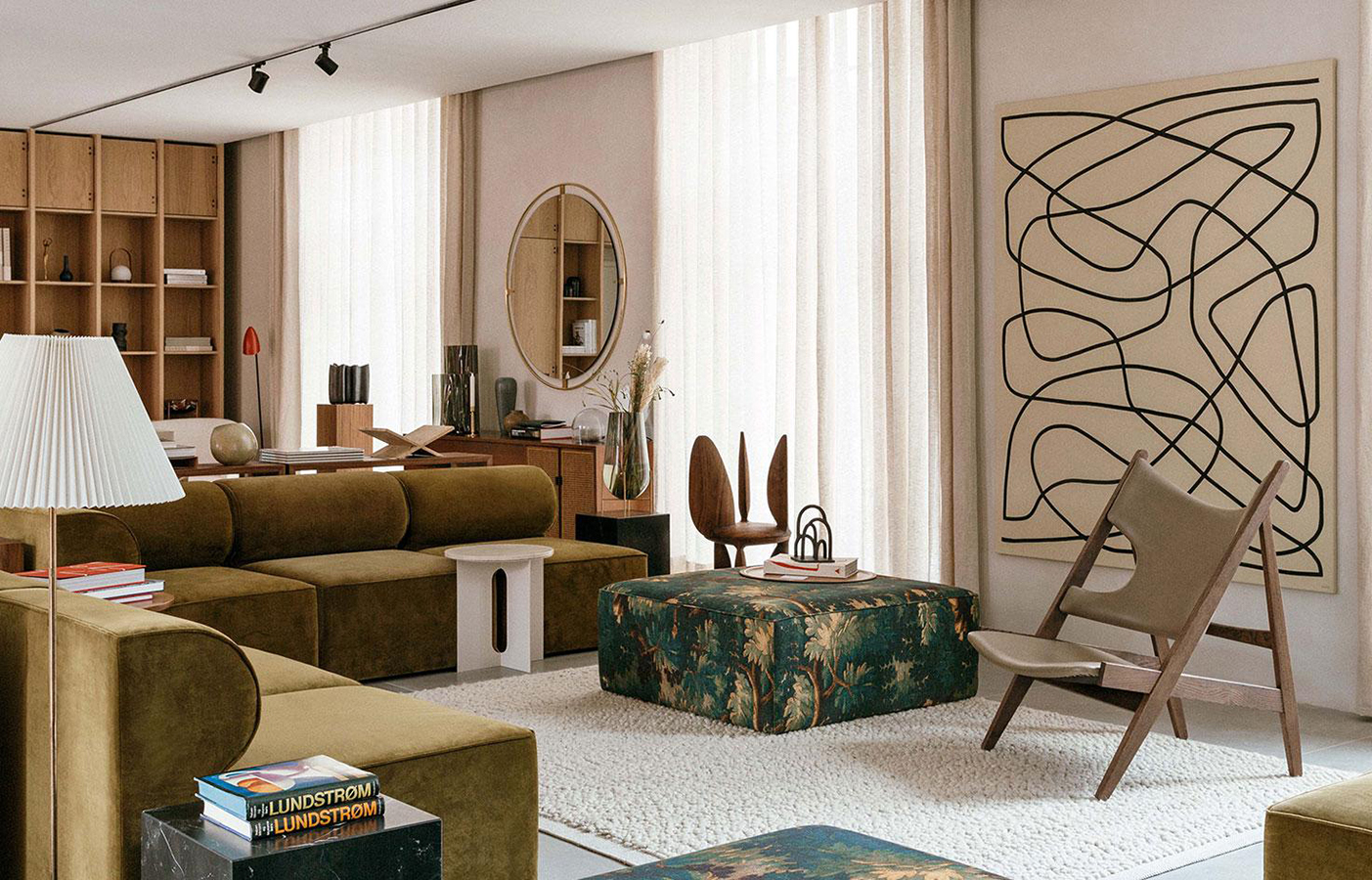
Introduction
Design plays a vital role in how people interact with products, services, and digital platforms. From the logo of a brand to the layout of a website, design influences trust, usability, and overall experience. In today’s digital world, website design and UI/UX design have become essential for businesses, creators, and professionals who want to stand out online. A well-designed website is not only visually appealing but also functional, user-friendly, and aligned with business goals.
This article explains the concept of design in detail, explores website design and UI/UX design, highlights their importance, principles, processes, tools, trends, and future scope. The focus is on practical, human-centered information that helps readers understand how good design creates value.
What Is Design?
Design is the process of planning, creating, and organizing elements to achieve a specific purpose. It is not limited to looks alone; design also considers usability, clarity, and effectiveness. Whether it is a physical product or a digital interface, good design solves problems and improves experiences.
Key Aspects of Design
-
Functionality: Design must work as intended.
-
Aesthetics: Visual appeal attracts and retains attention.
-
Communication: Design conveys ideas and information clearly.
-
User Focus: Design should meet user needs and expectations.
Design exists in many forms such as graphic design, product design, interior design, and digital design. Among these, website design and UI/UX design are especially important in the online space.
Understanding Website Design
Website design refers to the planning, creation, and maintenance of websites. It includes layout, structure, colors, typography, images, navigation, and content presentation. A good website design ensures that visitors can easily find information and complete desired actions.
Components of Website Design
-
Layout and Structure
The layout determines how content is arranged on a page. A clear structure helps users scan information quickly and understand the website’s purpose. -
Color Scheme
Colors affect mood and brand identity. Consistent and balanced colors improve readability and create a professional appearance. -
Typography
Fonts should be easy to read and suitable for the brand tone. Proper spacing and font hierarchy enhance clarity. -
Images and Visuals
High-quality images, icons, and graphics make a website engaging and support the content. -
Navigation
Menus and links should be simple and intuitive so users can move through the website without confusion. -
Responsiveness
A modern website must work smoothly on desktops, tablets, and mobile devices.
Importance of Website Design
Website design directly impacts how users perceive a brand. A poorly designed website can drive visitors away, while a well-designed one builds credibility and trust.
Benefits of Good Website Design
-
Creates a strong first impression
-
Improves user engagement
-
Increases conversion rates
-
Supports search engine visibility
-
Strengthens brand identity
In competitive markets, website design is no longer optional. It is a core part of digital success.
What Is UI/UX Design?
UI/UX design focuses on how users interact with digital products. While often mentioned together, UI and UX are different concepts that work closely.
User Interface (UI) Design
UI design deals with the visual and interactive elements of a digital product. This includes buttons, icons, menus, forms, and layouts. UI designers ensure that interfaces are attractive, consistent, and easy to use.
User Experience (UX) Design
UX design focuses on the overall experience a user has while interacting with a product. It involves research, usability testing, user journeys, and problem-solving to make interactions smooth and satisfying.
Difference Between UI and UX Design
| Aspect | UI Design | UX Design |
|---|---|---|
| Focus | Visual elements | User experience |
| Goal | Attractive interface | Smooth interaction |
| Includes | Colors, buttons, fonts | Research, testing, flow |
| Concern | How it looks | How it works |
Both UI and UX are essential. A beautiful interface without good usability fails, and a functional product without visual appeal lacks engagement.
Importance of UI/UX Design
UI/UX design plays a major role in determining whether users stay on a website or app. A positive experience encourages users to return, recommend the product, and trust the brand.
Key Benefits
-
Enhances user satisfaction
-
Reduces user frustration
-
Improves accessibility
-
Increases retention and loyalty
-
Supports business growth
Strong UI/UX design turns visitors into users and users into customers.
The UI/UX Design Process
UI/UX design follows a structured process to ensure quality and effectiveness.
1. Research
Design begins with understanding users, goals, and challenges. Research methods include surveys, interviews, and competitor analysis.
2. Planning and Strategy
Based on research, designers define user personas, user journeys, and project goals.
3. Wireframing
Wireframes are simple layouts that show the structure of a page without detailed visuals. They help plan content placement.
4. Prototyping
Prototypes are interactive models that simulate how a product will work. They allow early testing and feedback.
5. Visual Design
This stage focuses on colors, fonts, icons, and overall style to create a polished interface.
6. Testing and Improvement
Usability testing helps identify issues. Designers refine the product based on feedback before final release.
Relationship Between Website Design and UI/UX Design
Website design and UI/UX design are closely connected. Website design focuses on the overall structure and appearance, while UI/UX design ensures that users can interact smoothly with the site.
A successful website combines:
-
Visual appeal from website design
-
Ease of use from UI design
-
User satisfaction from UX design
Together, they create a balanced and effective digital presence.
Tools Used in Website and UI/UX Design
Designers use various tools to create, test, and improve designs.
Common Design Tools
-
Design software: For layouts, graphics, and interfaces
-
Prototyping tools: For interactive previews
-
Collaboration tools: For teamwork and feedback
-
Testing tools: For usability analysis
The choice of tools depends on project needs, team size, and workflow.
Current Trends in Website and UI/UX Design
Design trends evolve with technology and user behavior. Staying updated helps designers create modern and relevant experiences.
Popular Trends
-
Minimal and clean layouts
-
Dark mode options
-
Mobile-first design
-
Micro-interactions
-
Fast loading and performance focus
-
Accessible design for all users
Trends should be used thoughtfully, keeping usability as the priority.
Accessibility in Design
Accessibility ensures that websites and digital products can be used by everyone, including people with disabilities. This includes readable text, proper color contrast, keyboard navigation, and screen reader support.
Accessible design is not only ethical but also improves overall usability and reach.
Career Scope in Design, Website Design, and UI/UX Design
Design offers strong career opportunities across industries. Businesses, startups, agencies, and freelancers all need skilled designers.
Career Options
-
Graphic Designer
-
Website Designer
-
UI Designer
-
UX Designer
-
Product Designer
With experience and continuous learning, designers can grow into leadership and strategy roles.
Challenges in Design
Despite its benefits, design comes with challenges such as balancing creativity with usability, meeting deadlines, handling feedback, and keeping up with trends. Successful designers learn to adapt, communicate effectively, and focus on user needs.
Conclusion
Design, website design, and UI/UX design are essential elements of the digital world. They shape how users interact with websites and digital products, influence brand perception, and support business success. Website design provides structure and visual appeal, while UI/UX design ensures smooth and meaningful user experiences.
A thoughtful approach to design focuses on users first, combines creativity with functionality, and adapts to changing needs. As digital platforms continue to grow, the demand for well-designed, user-friendly experiences will only increase. Investing in good design is not just about appearance—it is about creating value, trust, and long-term success.